


Keyword: gynecological examination simulator bimanual pelvic examination model pelvic exam training simulator
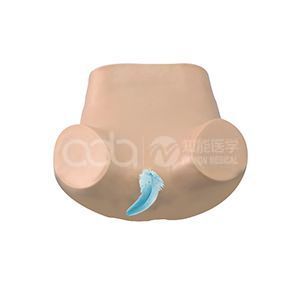
Short answer: BIX-FL is an adult female lower-torso simulator split into an abdominal cavity and a pelvic cavity. The adabomn product page lists eight procedures — normal uterine palpation across four patient states, bimanual and trimanual pelvic examination, vaginal speculum and colposcope examination, IUD placement and removal, gravid and postpartum uterus examination, pelvic organ observation, adjustable uterine anteflexion/retroflexion, and pelvic measurement. No price, carton size or weight is published, so it is a quotation item.
Key takeaways
| Item | Published detail |
|---|---|
| Model | BIX-FL |
| Product name on page | Advanced Gynecological Examination training Simulator |
| Category | Pediatrics & GYN Models |
| Body format | Adult female lower torso, two parts (abdominal cavity, pelvic cavity) |
| Listed procedures | 8 |
| Uterine tilt | Anterior/posterior angle adjustable |
| Price | Not published — quotation required |
| Carton quantity / size / weight | Not published |
| Published function | What a trainee actually practises | What the page does not state |
|---|---|---|
| Normal uterus palpation in four states | Distinguishing non-parous, parous, pregnant and older-patient consistency by touch. | Whether separate uteri are supplied or the consistency is described only. |
| Bimanual and trimanual pelvic examination | Two-hand and three-hand technique, including abdominal pressure with the free hand. | Pelvic floor tone; no muscle layer is specified. |
| Vaginal speculum and colposcope examination | Speculum insertion, cervical exposure, colposcope positioning. | Cervix appearance variants are not listed. |
| IUD placement and removal | Sound insertion, fundal placement, string check, removal. | Whether a uterus cavity with correct depth is included. |
| Gravid and postpartum uterus examination | Assessing size and involution after delivery. | Gestational weeks represented are not given. |
| Pelvic organ observation | Locating uterus, ovaries, fallopian tubes and round ligament relative to each other. | Whether the model opens for demonstration. |
| Adjustable uterine tilt | Re-palpating after the anatomy changes, instead of repeating one memorised position. | Range of adjustment in degrees. |
| Pelvic measurement | Using calipers or hands to estimate pelvic diameters. | Which diameters are marked. |
Pelvic examination is taught as a sequence, and sequences are easy to fake. A fixed manikin lets a student pass by learning where the uterus sits rather than how to find it. Standardising the examination with cognitive task analysis showed that experts decompose bimanual examination into discrete, teachable decision points rather than one smooth motion [2]. A simulator that can be re-set to a different uterine position forces the trainee to use those decision points again on every attempt.
The second design question is ethical rather than mechanical. A mixed-methods study of pelvic examination training reported that learners carry discomfort and uncertainty about consent and intimate contact into the skill itself [3]. A trainer that can be used repeatedly, without a patient, is the practical answer — provided the programme still teaches the briefing and consent steps around it. Low-cost homemade pelvic models have been published precisely because access to practice time, not fidelity, is the binding constraint in many schools [1].
| Question to send | Why it changes the decision |
|---|---|
| Which procedures have a mechanical mechanism, and which are described only? | IUD placement and pelvic measurement are the two functions most often listed but not physically realised. |
| Is a spare uterus or insert set included? | Determines three-year cost of ownership, not the unit price. |
| What material is the skin and vaginal canal? | Silicone and PVC behave differently under repeated lubrication and cleaning. |
| Carton quantity, package size, gross weight? | Needed to price air or sea freight before the quote arrives. |
| Is a carry or storage case supplied? | A two-part lower torso is bulky; storage is a real classroom constraint. |
| Lead time and warranty? | Both are mandatory fields in public tenders. |
Send that list to sophia@adahealthy.com with your class size and the procedures you must assess. A reply that answers the six rows is more useful than a price alone.
Q1. What is BIX-FL?
An adult female lower-torso simulator for gynecological examination training, listed under Pediatrics & GYN Models with eight published procedures.
Q2. Does it include a full body?
No. The page describes an adult female lower torso made of an abdominal cavity and a pelvic cavity in two parts.
Q3. Can it be used for IUD training?
Yes — IUD placement and removal is one of the eight listed functions. Ask whether a cavity of correct depth is moulded into the uterus or whether the function is demonstrated only.
Q4. Is a price published?
No. BIX-FL is a quotation item; the page carries no unit price.
Q5. What are the shipping figures?
Not published. Carton quantity, package size and gross weight are all absent, so freight cannot be estimated from the page.
Q6. How do I request a quotation?
Email sophia@adahealthy.com with the model number BIX-FL, your quantity, the procedures you will assess, and your delivery city. Ask for the spare-parts list in the same message.
Write to sophia@adahealthy.com for the BIX-FL specification sheet and a landed-cost quotation. If you are equipping an OSCE station rather than a lecture hall, say so — the number of units per station changes with the assessment format.